- Pontefract Castle 13th Century
- 1237 - On 29th June 1237, John de Lacy, Baron of Pontefract, was appointed by Henry III as one of several lords overseeing the arrival and mission of Cardinal Otto of Tonengo, Pope Gregory IX’s legate. Otto had been requested by the king in order to provide guidance and help in overcoming his precarious financial situation and faltering peace treaty with Scotland. His barons were resentful and mistrusting of foreign interference in matters of state with Matthew Paris recording: “Our king perverts all things. In every way he sets at nought our laws and disregards his plighted faith and promises……… now he has secretly called a legate into the country, who will change the whole face of the land: now he gives and now at will he takes back what he has given.” Otto was to remain in England until the 7th January 1241.
- Pontefract Castle 17th Century
- 1645 - On 29th June 1645, Nathan Drake, Royalist diarist, recorded: ‘..a little after no one, the Enemyes Genrall (Poyntes) Nathan Drake, Royalist diarist, recorded sent down the Lady Cuttler wth hur waytingmaid to the Barbican gates againe, she having not had any meate of 24 howers. Our Governor of the Castle would not suffer hur to Come into the Castle againe, because they had sent for hur out & given hur free liberty to goe home to hur Children, therefore he thought it sttod not wth his honor to be so Fooled by them, and by that meanes the poore Lady wth hur maid & hur Chaplin staid starving in the streetes till about 10 a Clock in the night, at wch time the Enemy sent for hur up into the Towne, & for any thing we heare, she sent for 2 horseyes that night, & so went away the next day. There was this night 2 Boan fires…made upon Sandoll Castle and we answered it wth one heare upon the Round Tower. We supposed to be good newes because of 2 Fires.’
- Sandal Castle 14th Century
- 1347 -
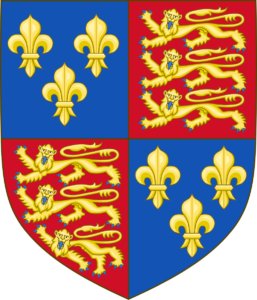 On 29th June 1347, John de Warenne, the 7th and final Earl of Surrey (some historians show him as the 8th Earl), died at Conisbrough Castle and was buried in Lewes Priory, East Sussex. The earl's land, including Sandal Castle, reverted to the crown. John had lost his possessions during his dispute of 1317 with Thomas, Earl of Lancaster, and, on the subsequent execution of Thomas in March 1322, the lands became the Crown's ownership. It was not until 1326 that John regained some of his lands, and only in 1334 that he regained the castles at Conisbrough and Sandal, but only on the proviso that they remained with him until his death, when they would again revert to the Crown. On the death of John, Sandal passed to Edward III, who granted it to his fourth son, Edmund Langley, Duke of York. It would be from this lineage that the castle would come into the possession of Richard Plantagenet, Duke of York, and become his key base in the North during the Wars of the Roses, 1455-1485.
